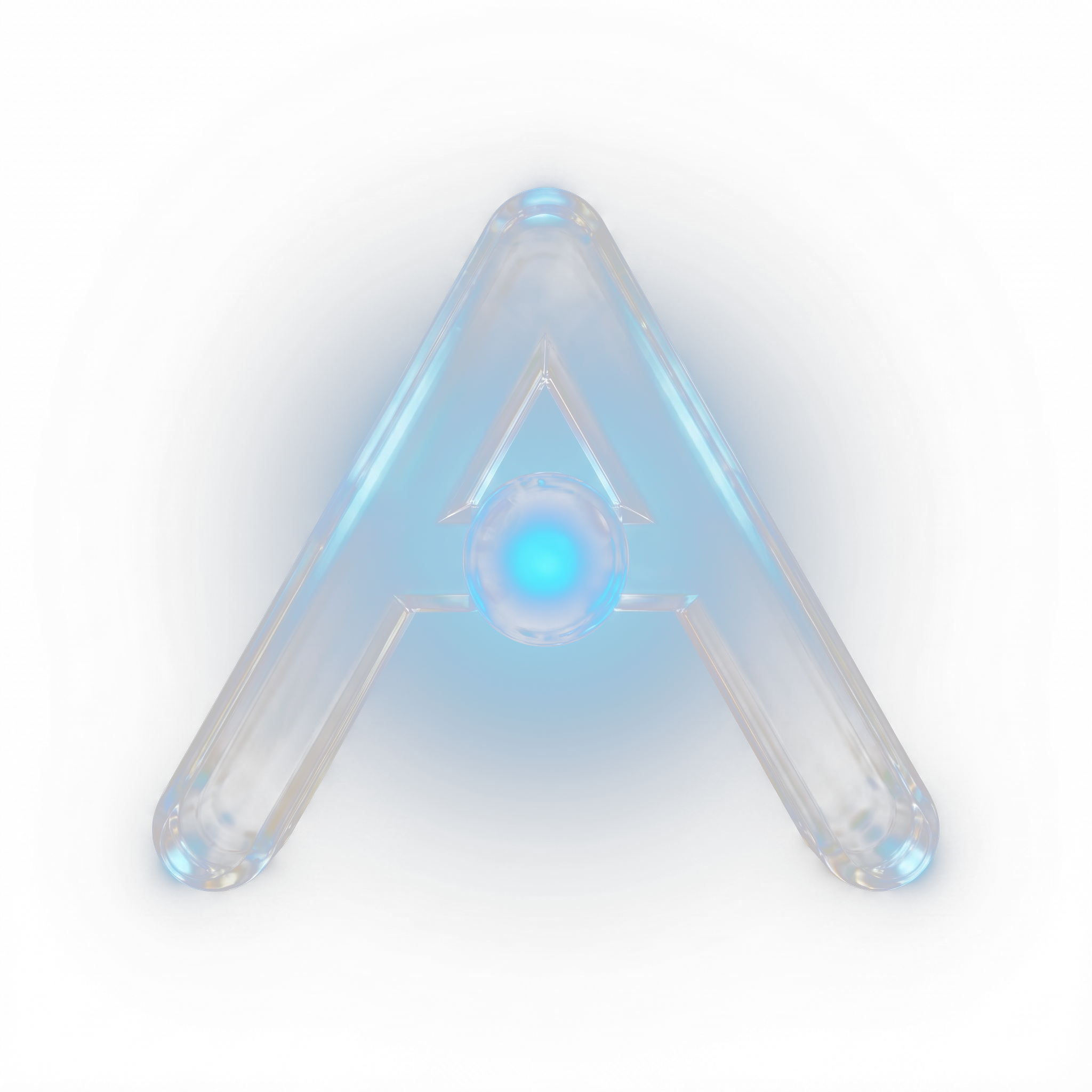
The mark says it in geometry — the aperture is the act of checking, the sphere is the proof that holds. One line for the whole company: Ascertainty makes the agent economy verifiable.
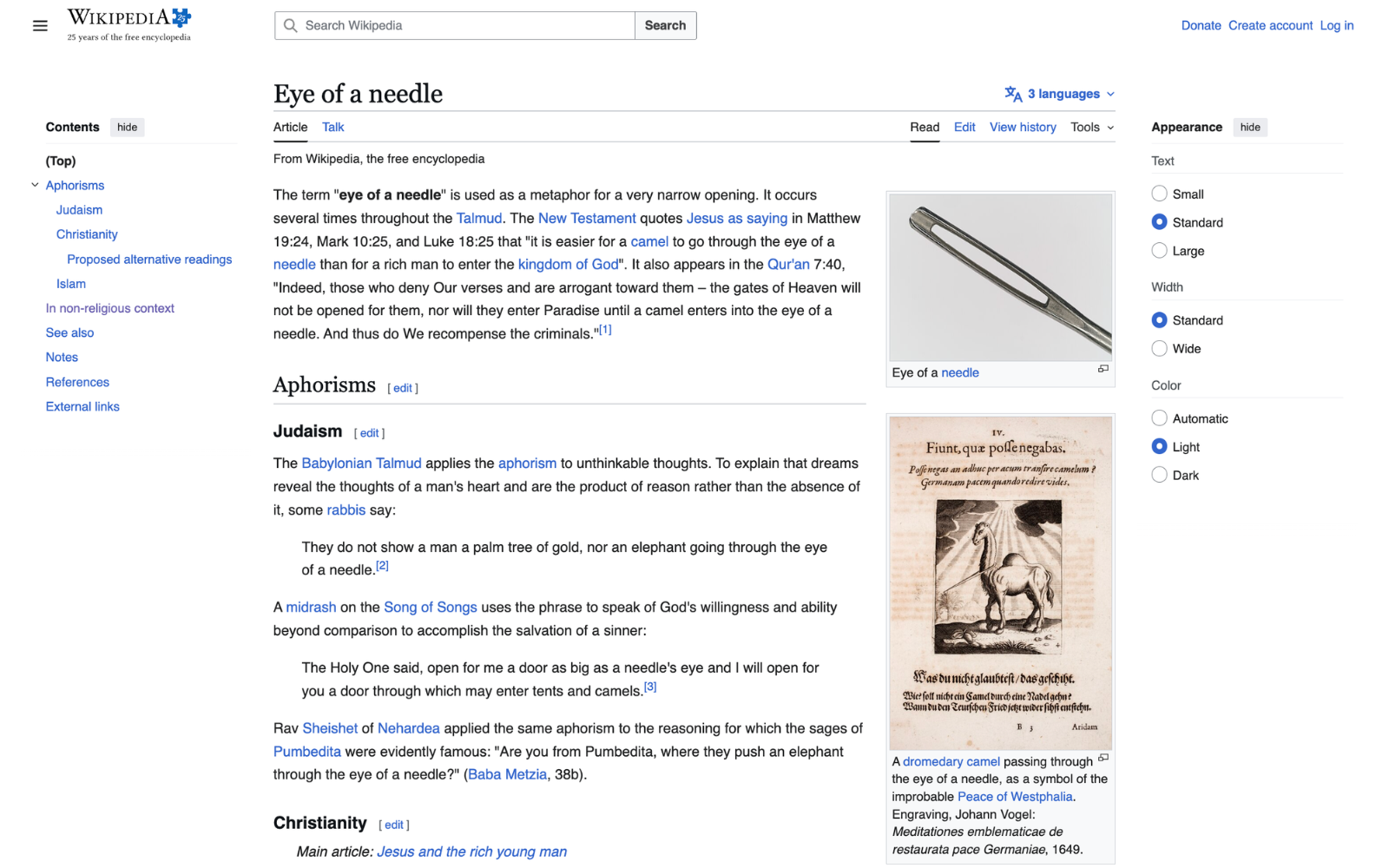
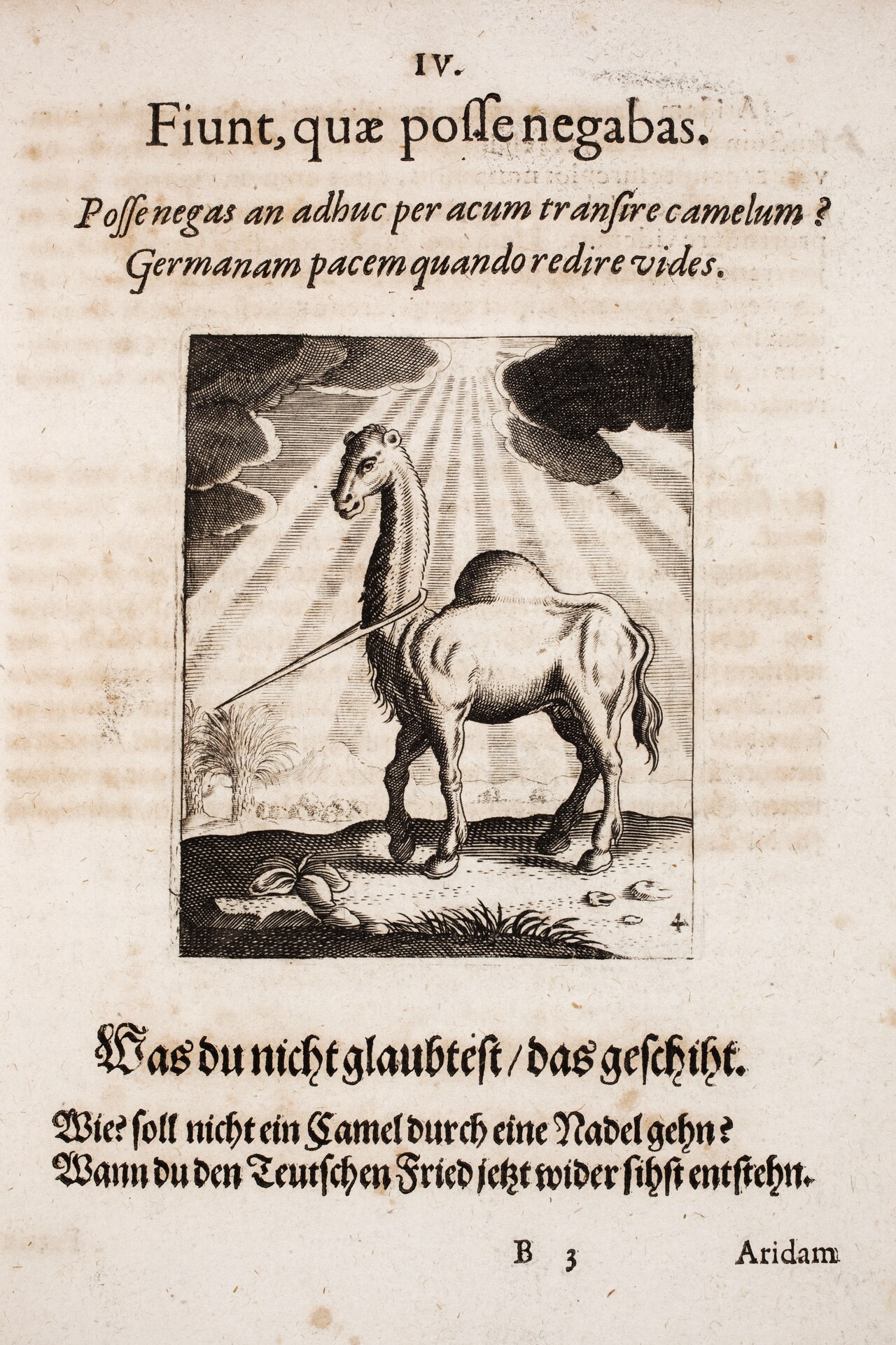
The sphere is inscribed between the two legs — tangent to both — with the crossbar (the aperture) passing through its center. The proof held at the gate: too whole to be squeezed through. The "camel" at the "needle's eye."
Gromov's non-squeezing theorem — the gate that can't be cheated. The verifier is the gate; the proof either fits, or it doesn't pass.
01 · generate
Machines create at scale.
Geometry, textures, whole assets — produced faster than anyone can check by hand.
02 · verify
The proof meets the gate.
Graded against a portable acceptance profile — returning a cryptographically signed, agent-callable verdict.
03 · settle
Money moves only when it fits.
Pass, and settlement fires on-chain. The sphere that holds at the aperture.
The trust rail for agent creative commerce.
Starting with verification + settlement for AI-generated 3D.
Ascertainty is building the trust rail for agent creative commerce — verification and on-chain settlement for the work machines create.
Our first product, Grain, makes AI-generated 3D provably correct and settleable: it grades geometry against portable acceptance profiles, returns a cryptographically signed, agent-callable verdict, and can settle payment automatically when work passes — in any agent's loop, in the artist's tools, and between autonomous agents.
We start with 3D because it's the creative medium where "correct" is objective — geometry can be checked deterministically, so the verdict can be signed and money can settle on it. The engine is generation-agnostic, and the same rail applies wherever machine-made work has an objective, checkable spec — CAD, PCB, code — turning today's siloed checks (DFM, DRC, CI) into one signed verdict the agent economy can build on.
As more creative work is produced and traded by machines, someone has to certify it's correct — and make that certificate something other machines can act on. Ascertainty is building that layer.